What Is RisingWave?

What is RisingWave?

What Is RisingWave? Complete Beginner’s Guide Batch analytics answers questions about yesterday. Plenty of products need answers about right now: which credit card just spent an unusual amount in the last minute, how many people are on the checkout page this second, which sensor reading […]
ClickHouse vs PostgreSQL

ClickHouse vs PostgreSQL

ClickHouse vs PostgreSQL PostgreSQL is the database most teams reach for first, and for good reason. It’s reliable, extensible, and good at nearly everything a typical application asks of it. Then the product grows, someone builds an analytics dashboard on top of the production database, […]

ClickHouse vs Elasticsearch

ClickHouse vs Elasticsearch

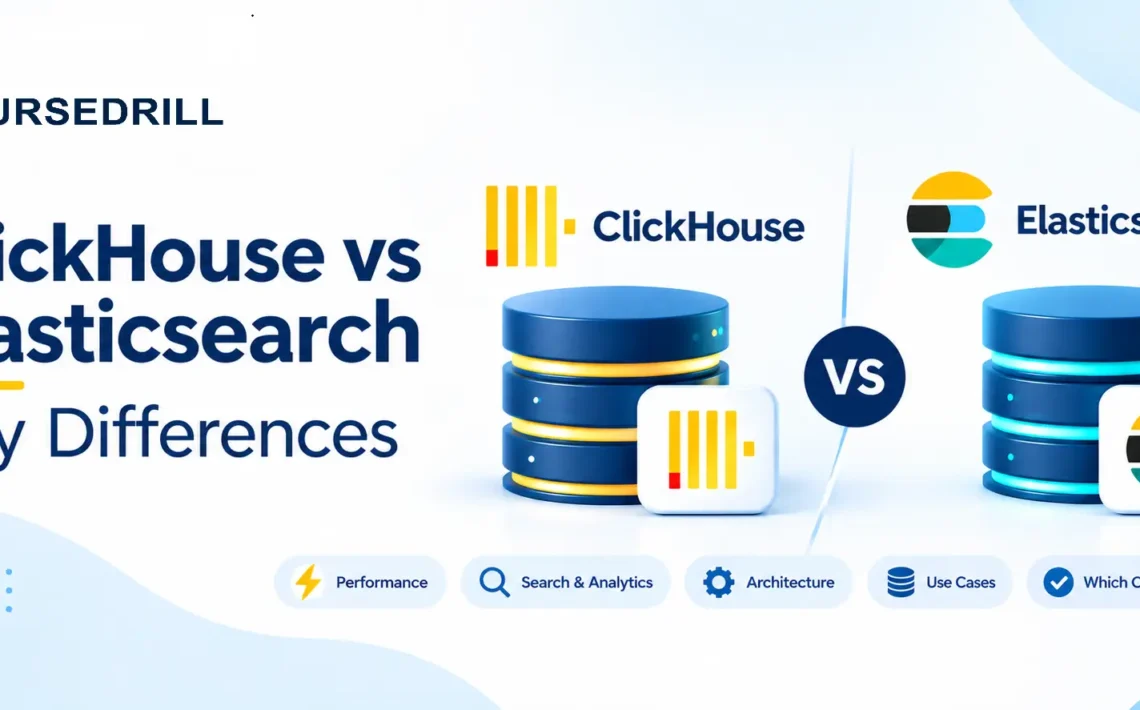
ClickHouse vs Elasticsearch A surprising number of Elasticsearch clusters in production aren’t really doing search. They’re storing logs, counting errors, and plotting latency percentiles on dashboards. That works, but it means a search engine is carrying the weight of capabilities that the workload never touches, […]

ClickHouse Architecture Explained

ClickHouse Architecture Explained A ClickHouse query that aggregates a few billion rows in under a second looks like a magic trick from the outside. From the inside it’s closer to a very well organized warehouse: data arrives in small sorted crates, a background crew keeps […]

cpu vs gpu vs tpu

CPU vs GPU vs TPU

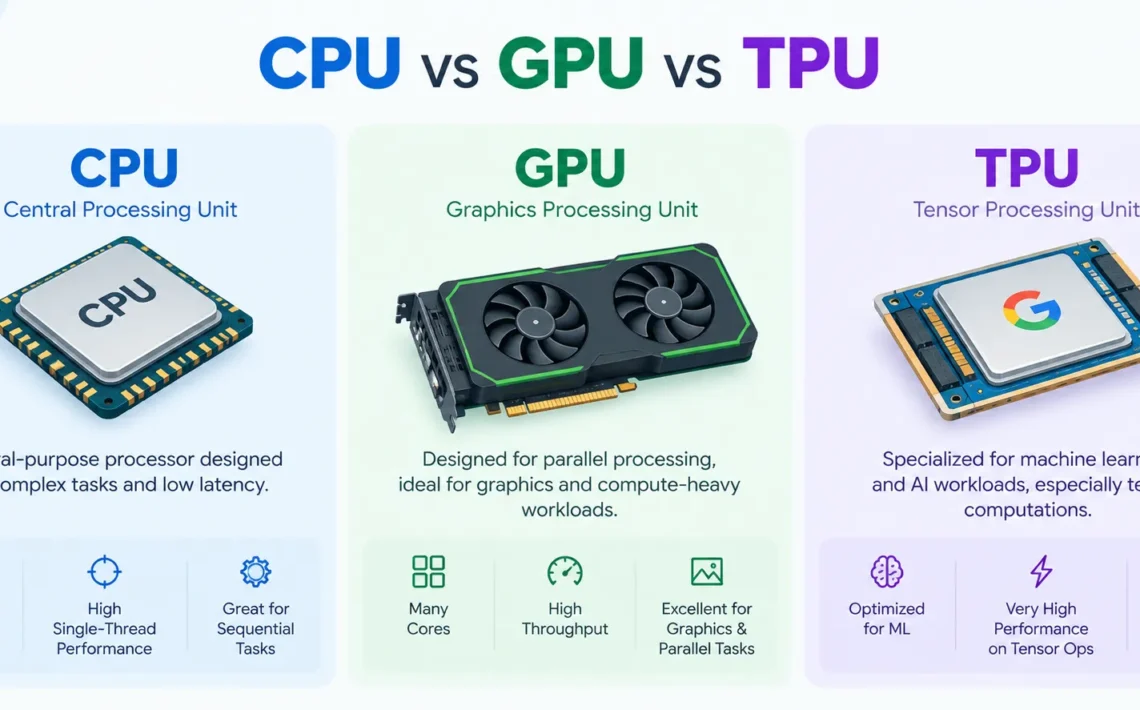
CPU vs GPU vs TPU: Choosing the right compute for your AI workload Choosing a compute option for an AI project can be rather confusing. CPUs, GPUs, and TPUs can all run AI workloads, but they handle them differently. So, how do you know what’s […]

ClickHouse Tutorial for Beginners

ClickHouse Tutorial

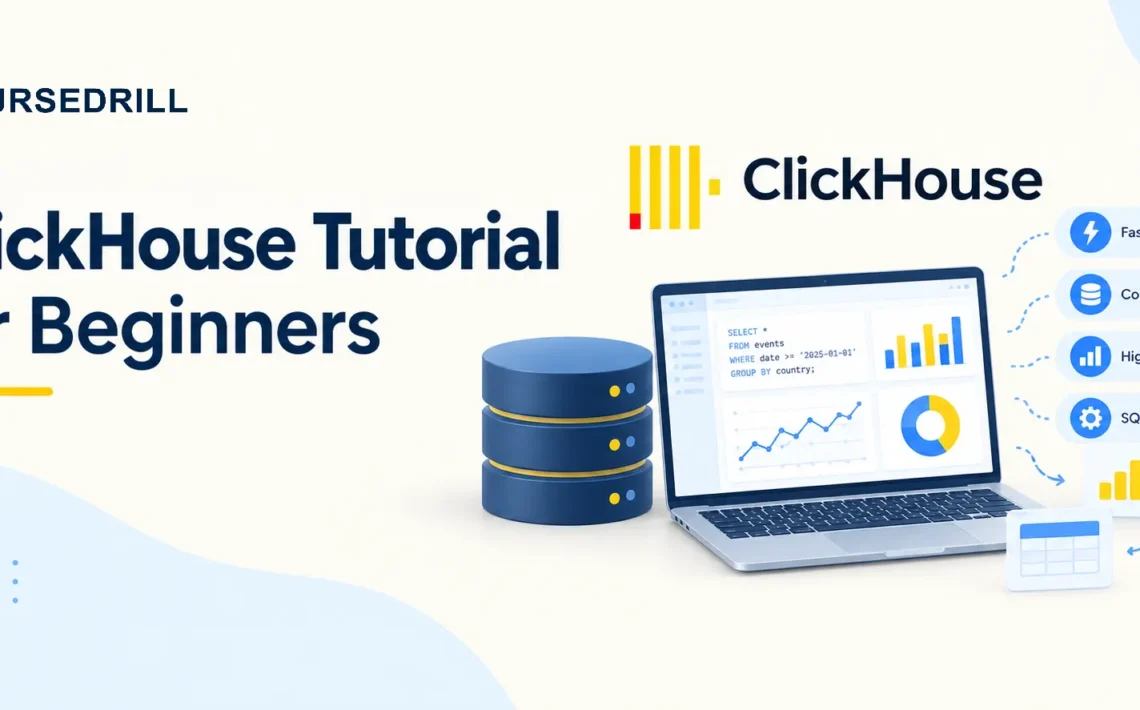
ClickHouse Tutorial for Beginners Most databases start to wheeze somewhere around the point where someone asks, “How many unique visitors hit each page, broken down by country, for the last ninety days?” The table has a few billion rows, the query touches three columns out […]

DuckDB vs PostgreSQL

DuckDB vs PostgreSQL

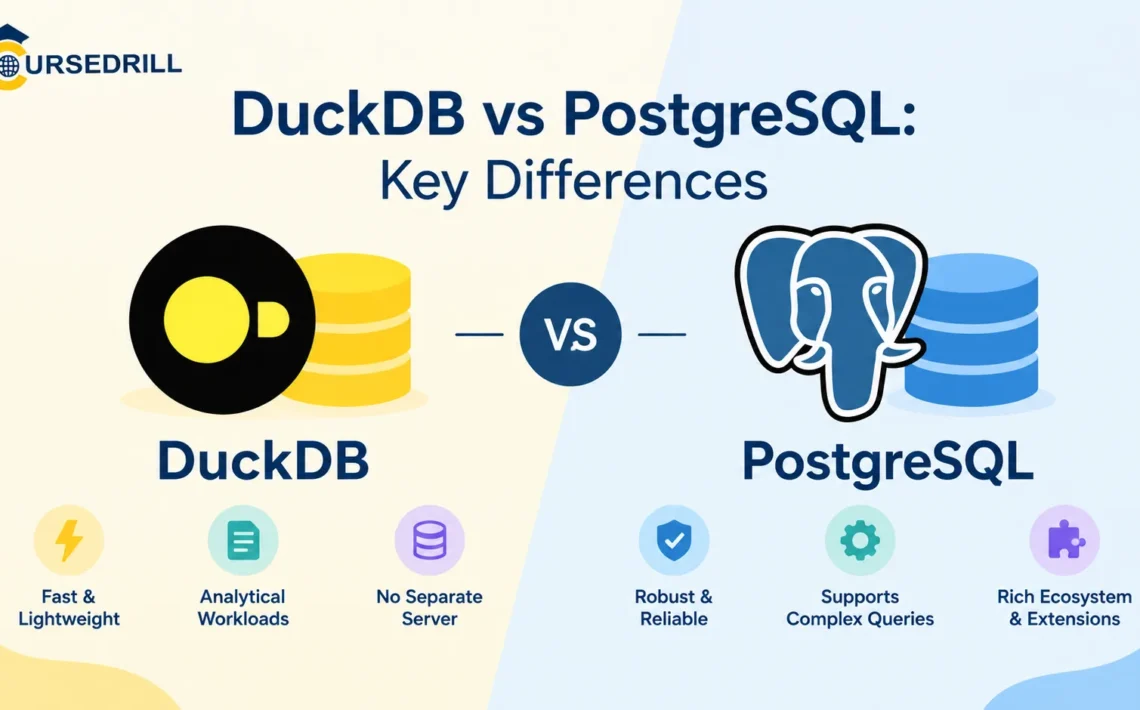
DuckDB vs PostgreSQL: Key Differences Every few months someone asks whether DuckDB is “replacing” PostgreSQL, and the honest answer is that the question doesn’t quite make sense. They’re not competing for the same job. PostgreSQL runs your application’s backend, handling thousands of small transactions from […]

DuckDB vs SQLite

DuckDB vs SQLite

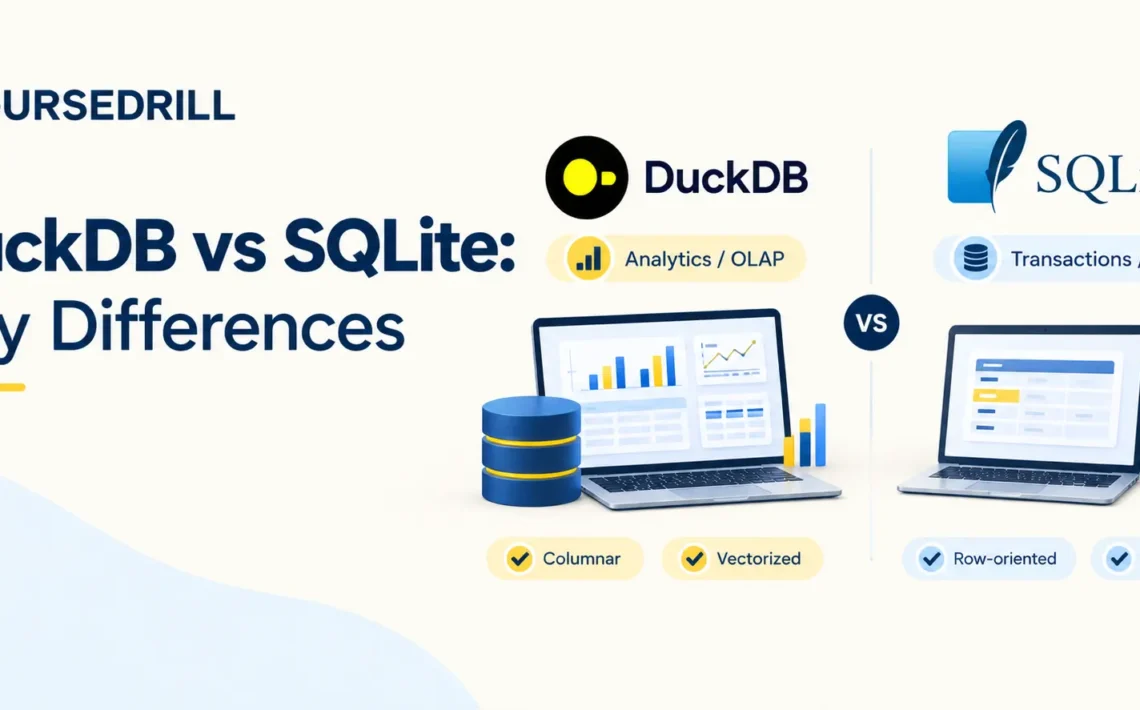
DuckDB vs SQLite: Key Differences Both of these databases share a design philosophy that sets them apart from almost everything else in the category: no server, no separate process to manage, a single file on disk, and a library you link directly into your own […]

DuckDB Tutorial

DuckDB Tutorial

DuckDB Tutorial for Beginners Spinning up a Postgres server, configuring a connection, and loading a CSV just to run a handful of SQL queries against it is a lot of ceremony for what’s often a five-minute analysis task. DuckDB exists specifically to remove that ceremony. […]

What is MotherDuck and How Does It Work

What is MotherDuck and How Does It Work

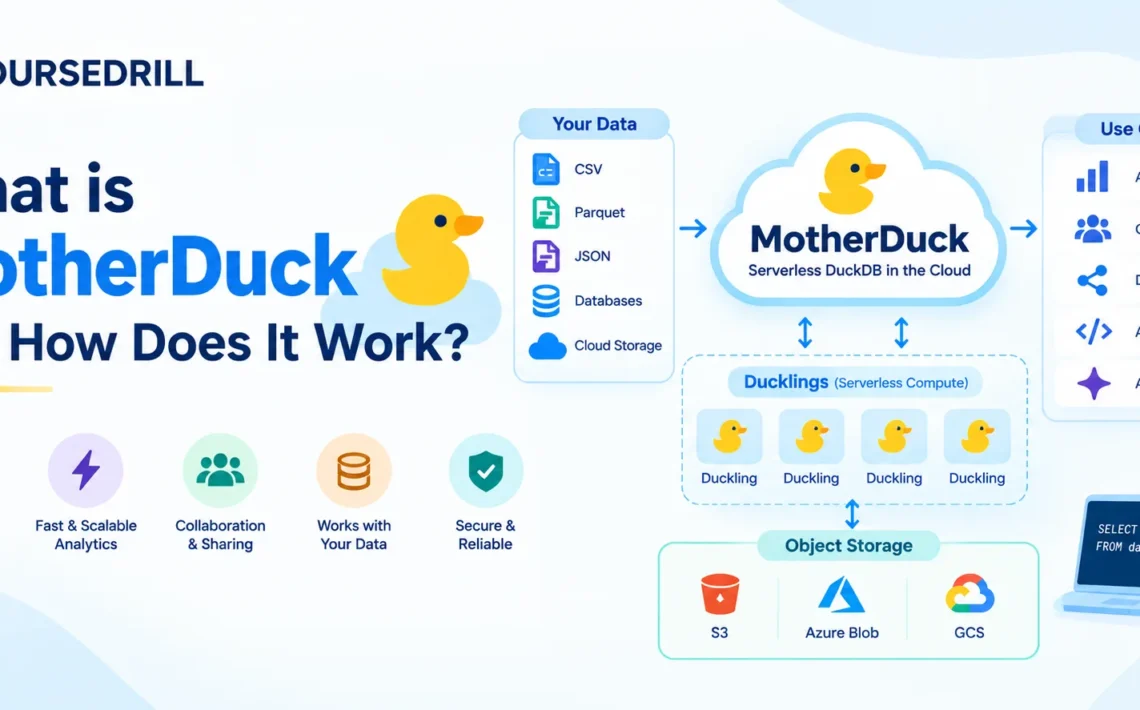
What Is MotherDuck and How Does It Work? Most data warehouses were built on a single assumption: your data is enormous, so your infrastructure needs to be enormous too. Snowflake, BigQuery, and Redshift all trace their design back to a world where “big data” genuinely […]