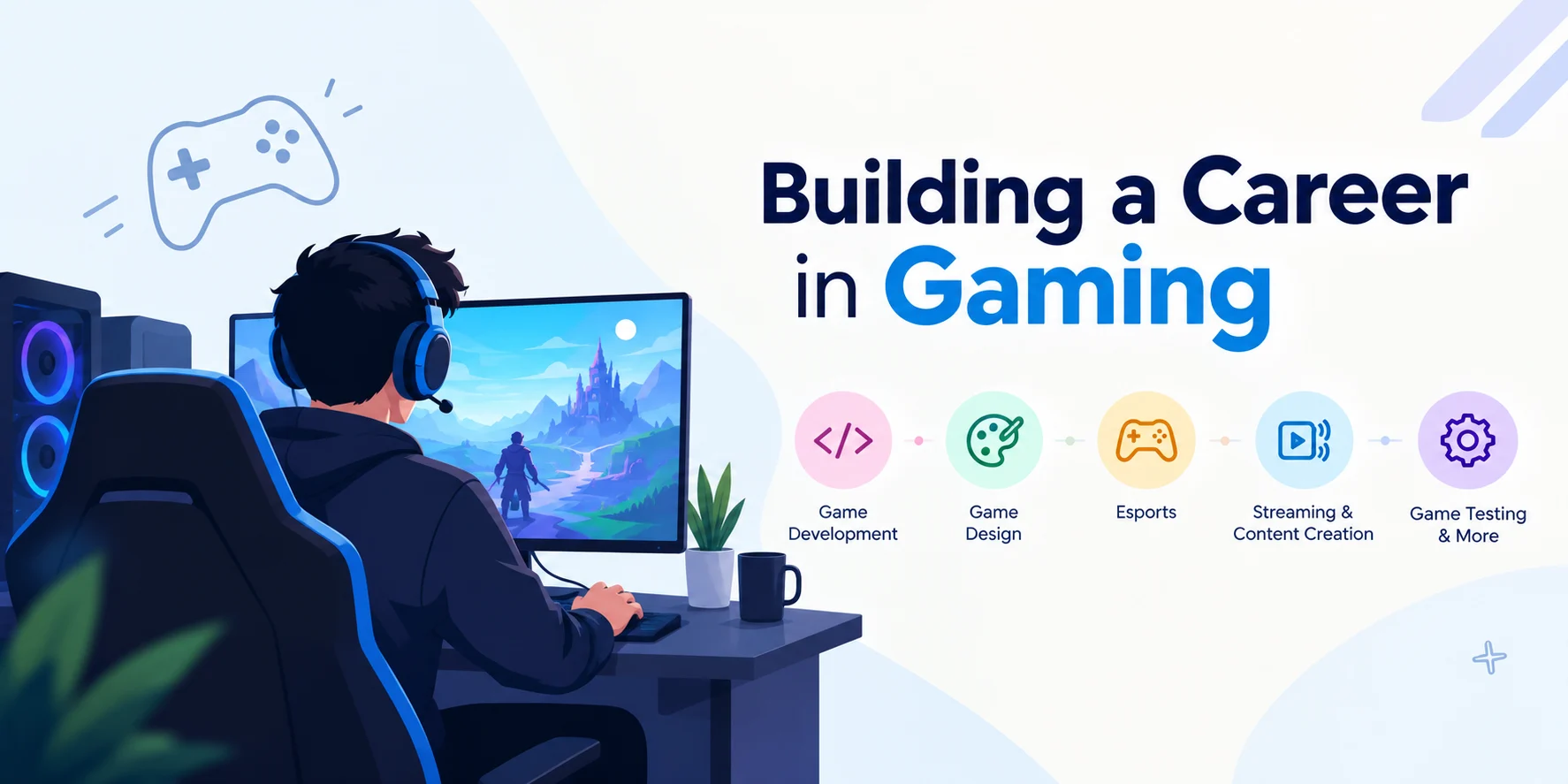
Building a Career in Gaming Content: Skills, Portfolio and Outreach
Gaming can be more than a hobby: it can be the subject of a career in writing, video production, community management, marketing or game development. These roles call for different abilities, but they share a need to understand players and communicate clearly. If you are considering work in the games industry, start by building useful skills and showing what you can do—not simply by saying that you love games.
Choose a role to work towards
“Gaming content” covers many kinds of work. A games writer might review new releases, explain mechanics or report on industry developments. A video editor could turn gameplay footage into short clips, while a social media coordinator plans posts and responds to a community. Developers, designers and audio specialists contribute in more technical or creative ways, often alongside people who handle promotion and publishing.
Look at job descriptions and freelance briefs for roles that interest you. Note the skills and tools that appear repeatedly, then separate those you already have from those you need to learn. This makes a broad ambition more manageable. Someone aiming to write guides, for instance, can practise research, structure and editing, while a prospective community manager might develop moderation and short-form copywriting skills.
Build a portfolio that proves your ability
A portfolio should make it easy for an editor or employer to judge the quality and relevance of your work. It does not need to be large. A few polished pieces that show different strengths are more useful than a long collection of unfinished experiments.
Show range with purpose:Include work suited to your target role, such as a concise news article, an evergreen beginner’s guide or a sample social campaign.
Explain your contribution:If a project involved other people, state what you researched, wrote, edited or produced.
Make work easy to review:Keep samples clearly labelled and check that they display properly on mobile as well as desktop.
Revise before sharing:Check names, dates, claims and spelling. In games coverage, accuracy matters: distinguish confirmed information from speculation.
If you do not yet have commissioned work, create samples around subjects you know. A guide can demonstrate how well you explain a system to new players; an analysis can show that you can support an argument with evidence. Be transparent that these are self-initiated pieces, rather than implying they were published or commissioned.
Use publishing to practise professional outreach
Writing for an established gaming publication can help you learn its audience and editorial expectations. Guest contributions are not a shortcut to a job, and acceptance is never guaranteed, but a well-matched pitch can give you experience working to a brief and meeting a deadline. Research the publication first: read recent articles, identify a gap you can address, and suggest a specific angle rather than sending a generic offer to write about games.
For discovery, the gaming guest posting websites and blogs page brings together sites that accept gaming guest posts. Treat a list as a starting point, not a substitute for checking each publication. Confirm that it is active, that its readers match your subject, and that its submission requirements suit your pitch. A focused article for the right audience is more valuable than publishing anywhere that will accept it.
When you contact an editor, keep the message brief. Introduce yourself, explain why the idea fits that readership, and include a working sample. Offer a clear headline and a few lines on what the article will cover. If there is no reply, follow the publication’s stated policy rather than sending repeated messages. Professional follow-up and reliable delivery are part of the portfolio you are building.
Collaborate without losing control of the budget
Early-career creators sometimes need help with work outside their strongest skills: a thumbnail, a short animation, audio cleanup or proofreading. Hiring a freelancer can fill that gap, but first decide what the project actually needs. Write a brief that defines the deliverable, format, deadline and any references or assets. Clear requirements reduce avoidable revisions and make it easier to compare offers.
If you are using a freelance marketplace, compare relevant examples and the scope of each offer rather than choosing by price alone. Osdire, for example, has services across categories including design, writing, video and marketing. Its guide explains how to get the most from freelancers through structured hiring and clear offers. Agree on milestones where appropriate, keep communication in the project record, and review the delivered work against the brief before approving it.
Turn practice into steady progress
Set a sustainable routine: choose one skill to improve, complete a small project, ask for specific feedback and update your portfolio. Track pitches, applications and responses so you can learn which topics and formats are getting attention. If work is unpaid, make a deliberate decision about the value it offers—such as practice, a published sample or a useful contact—and set limits on how much time you will give it.
Gaming careers are competitive, but a clear specialism, dependable work habits and evidence of skill can help you stand out. Focus on serving a particular audience well, keep learning as platforms and games change, and treat every collaboration as a chance to become easier to trust and hire.